
Key takeaways
- A vinyl wrap changes your car’s look and shields the paint underneath, and your installer can remove it when you want the original color back.
- Specialty finishes like matte, satin, and color-shift often cost less to wrap than to paint, but a quality professional wrap still takes a real budget.
- Most professional wraps last 3 to 7 years, depending on film quality, installation, climate, and care.
- A wrap will not hide dents, rust, or flaking paint, so fix body damage before you wrap.
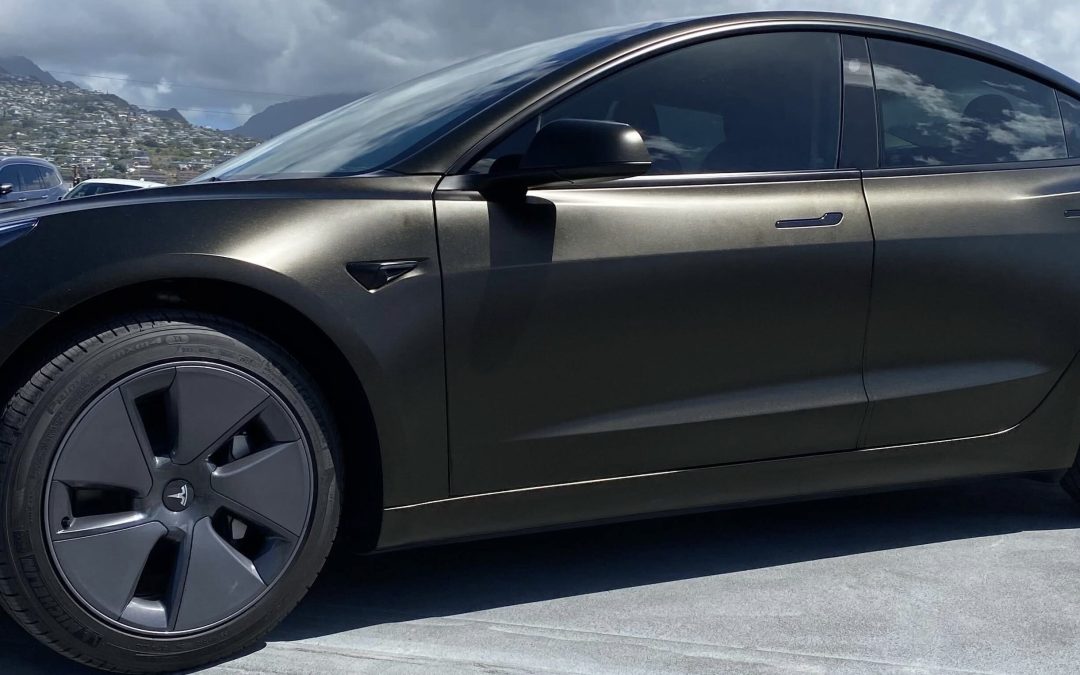
A car wrap is a layer of vinyl film that covers your vehicle’s body panels and changes its color or finish. You get a new look without a repaint, and the film comes off when you want a change. Wraps shine in some situations and fall short in others, so this guide lays out both sides, including cost, lifespan, upkeep, and who should skip a wrap.
Want a quote now? Request a quote or call (808) 845-TRIM (8746).
Pros of car wraps
1. Reversible: remove it and keep your original paint
A wrap sits on top of your paint, so it comes off. When a professional removes a wrap that stayed in good shape, the factory finish underneath looks the way it did on install day. That makes a wrap a strong fit if you lease your car, want to test a bold color, or plan to sell and want to show off the original paint.
Removal takes about a few hours for a wrap in good condition. A wrap that baked in the sun for years can flake and tear, so it might take longer.
One caution: paint that someone already repaired or repainted can lift with the film. Tell your installer about any past bodywork before you commit.
2. Paint protection from scratches, debris, and UV fading
Vinyl takes the hits so your clear coat does not. Parking-lot scuffs, light abrasions, bird droppings, tree sap, and UV rays all land on the film first. On Oahu, that means H-1 sun and salt air wear on the wrap instead of your factory finish, which helps protect resale value.
Know the limits. A wrap is thin vinyl, not armor. It does not stop rock chips the way paint protection film (PPF) does. If chip protection tops your list, ask about PPF on high-impact areas like the front end.
3. Cost-effective customization with matte, satin, and color-shift finishes
A good repaint in a standard color falls in the same price range as a wrap. Specialty looks change the math. Matte, satin, and color-shifting finishes cost far more in paint, and a wrap delivers them for less.
A wrap also lets you change your mind. When you tire of the color, your installer removes it and you pick another. Most shops, including ours, offer gloss, satin, and matte films. Specialty films such as chrome and color-shift cost more.
Not ready for a full change? A partial wrap on a hood, roof, or mirrors adds custom style for less money. We start those at $450.
4. Easier cleaning and maintenance
A wrap skips the wax, polish, and clay bar routine. Hand wash it with mild soap and a microfiber towel, then rinse. A few habits keep it looking sharp:
- Rinse salt and sand off after beach days.
- Hand wash or choose touchless. Skip brush-style automatic washes.
- Keep pressure washers away from the wrap’s edges.
- Park in shade or a garage whenever you can.
- Wipe off bird droppings and bug splatter quickly.
Cons of car wraps
1. Limited lifespan
Wraps don’t last forever. Most professional wraps hold up for 3 to 7 years, depending on four factors: film quality, installation, climate, and care.
Oahu’s UV, salt air, and humidity are hard on vinyl. That is why we install 3M, Avery Dennison, and KPMF films built for island conditions. In our experience, a well-installed, well-maintained wrap on a Hawaii-driven vehicle typically lasts 5 to 7 years.
Watch for these signs the end is near:
- Fading or browning
- Lifting or peeling edges
- Cracking or shrinking film
2. Surface prep: a wrap shows every flaw
Vinyl follows every contour of your panels, so every dent, scratch, and rust spot shows through. Flaking paint or a failing clear coat also stops the film from sticking. Fix body damage before you wrap.
A good installer also washes the car, uses a clay bar to lift contaminants, and removes or works around bumpers, lights, and handles so the film reaches the panel edges. Wrapping door jambs adds time and cost, so decide early whether you want the new color to show when you open the doors.
3. Higher upfront cost for quality work
A quality wrap takes a real budget. A partial wrap starts around $450 and a full wrap is an investment of a few thousand. Prices vary by region, vehicle size, finish, and installer.
Cheap film and rushed installs cost more in the long run. Bargain vinyl fades faster and peels sooner, and a bad install leaves bubbles and lifted edges. Ask what film the shop uses before you compare quotes.
4. Vulnerable to damage
A wrap handles daily driving, but some things tear, lift, or discolor the film:
- Automatic washes with stiff brushes
- A pressure washer held too close, especially near edges
- Fuel spills left on the surface
- Harsh solvents and abrasive polishes
- Days of hot sun on a parked car
A torn or scratched spot also stops shielding the paint beneath it, so fix damage fast. Ask your installer whether replacing a single panel makes more sense than rewrapping the whole car.
Wrap vs paint vs PPF at a glance
| Vinyl wrap | Repaint | Paint protection film | |
| Cost | Roughly $2,000 to $8,000, depending on vehicle and finish | Low for budget jobs, similar to a wrap for quality standard colors, higher for specialty finishes | Highest |
| Lifespan | 3 to 7 years | Long term | Many films carry multi-year warranties |
| Rock chip protection | Limited | None added | Strongest |
| Reversible | Yes | No | Yes |
| Finish options | Widest range of colors and textures | Wide, but specialty finishes cost more | Clear, plus a growing set of color films |
| Best for | Color change, branding, temporary style | Permanent change or damaged paint | Maximum protection |
Choose a wrap for a reversible color change. Choose paint for a permanent change or to repair failing paint. Choose PPF when protection comes first.
DIY vs professional installation
You can wrap your own car, and the savings tempt many owners. A full vehicle takes far more film than most people expect, plus a heat gun, squeegees, cutting tools, and a clean, well-lit workspace. Large panels and tight curves punish beginners, so practice on a small panel before you touch a hood or door. Plan on days of work, and expect to waste some film while you learn.
A professional install gives you clean edges around trims and handles, no bubbles, and a warranty to call on. At our shop, vinyl typically arrives 7 to 10 days after you order, and color change installs take 4 to 5 days. Plan on about two weeks from deposit to pickup.
How to choose a wrap installer
Ask every shop these questions:
- Which films do you use? Look for name brands like 3M, Avery Dennison, or KPMF.
- Do manufacturers certify your installers?
- Can I see recent work and reviews? Browse our photo gallery and customer testimonials to see what to look for.
- How do you handle bumpers, lights, handles, and door jambs?
- What does your warranty cover?
- Do you give a written quote with a timeline?
Wraps for business vehicles
A wrap also works as a mobile billboard. Door tags start at $300, and full commercial vehicle wraps start at $3,850.
Is a car wrap right for you?
A wrap fits you if:
- Your paint is in good shape.
- You want a reversible or temporary change, or you lease your car.
- You want a matte, satin, or color-shift finish for less than paint costs.
- You can hand wash and park in shade or a garage most days.
- You want to brand a business vehicle.
Rethink a wrap if:
- Your car has dents, rust, or flaking paint.
- You want a permanent change that lasts decades.
- Rock chip protection is your top priority. (Look at PPF.)
- You rely on brush-style automatic car washes.
- You plan to buy bargain film to save money.
If your paint is healthy and you want a reversible change, a wrap delivers. If your paint is failing, repair or repaint first.
Car wrap FAQs
Do car wraps damage paint?
Not when a professional installs and removes the wrap on healthy factory paint. The film shields the finish from UV and light abrasion. Paint that someone already repaired or repainted can lift during removal, so share your car’s history with your installer.
How long do car wraps last?
Most professional wraps last 3 to 7 years. Film quality, installation skill, climate, and care set the range. Shade parking, regular rinsing, and hand washing push your wrap toward the top.
Is a wrap cheaper than paint?
It depends on the finish. A quality paint job in a standard color costs about the same as a wrap. Matte, satin, and color-shift finishes cost more in paint than in vinyl. Budget paint jobs cost less than a wrap.
Can a wrapped car go through an automatic car wash?
Touchless washes work. Skip brush-style washes, because stiff bristles scratch the film and lift its edges.
Can I pressure wash a wrap?
Yes, with care. Hold the nozzle well back and keep high-pressure spray away from edges and seams, where water can lift the film.
Can I wrap my own car?
Yes. Expect to buy tools, practice on small sections, and spend several days on the job. Many owners hire a professional for the best finish.
Do wraps fade in the sun?
Yes, over time. UV exposure fades vinyl, and parking in the sun accelerates it. Premium film and shade parking slow the process.
What happens when a wrap wears out?
A shop removes the old film, cleans off any adhesive residue, and details the paint. Then you can rewrap or return to your original color.
Ready to wrap your car on Oahu?
Auto Trim Hawaii has wrapped cars, trucks, vans, and fleets across Oahu since 1997. Our certified installers use 3M, Avery Dennison, and KPMF films, and we will walk you through finishes, pricing, and timing.
Request a quote or call (808) 845-TRIM (8746).